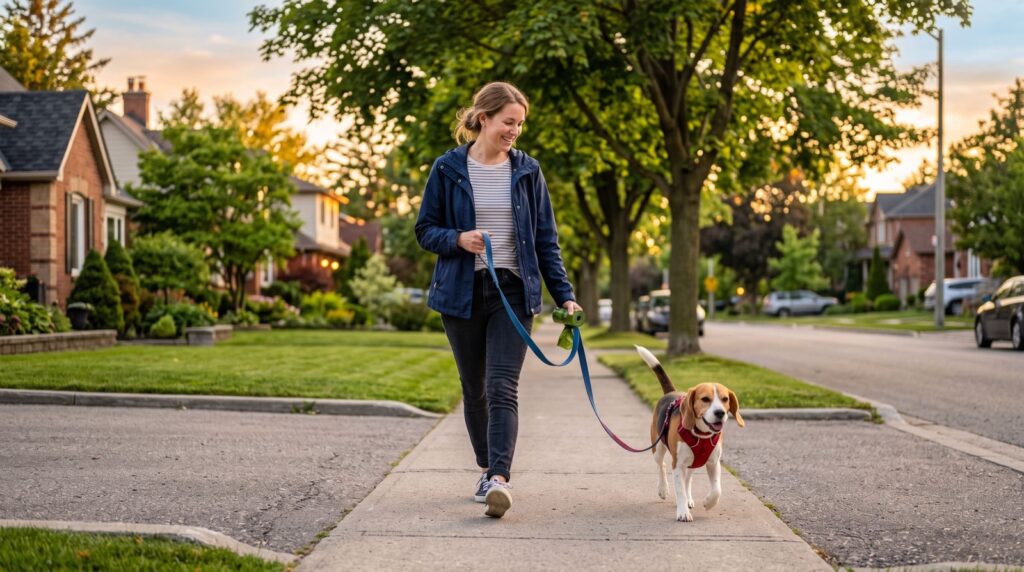
Eco-Friendly Dog Waste Disposal: A Practical 2026 Guide
Responsible dog waste disposal is one of the most overlooked ways to protect your local environment in 2026. Uncollected feces is not a natural fertilizer; it is a pollutant that contaminates soil and waterways. With the right bags and habits, every dog owner can shrink their footprint dramatically.
This guide explains why disposal matters, how to choose greener bags, and which methods truly reduce harm. You will leave with a clear, planet-friendly routine you can start today.
Why Proper Dog Waste Disposal Matters
Dog waste carries bacteria, nitrogen, and phosphorus that overload ecosystems when it washes into storm drains. The US EPA classifies pet waste as a nonpoint source of water pollution, on par with agricultural runoff. Left on the ground, it feeds algae blooms that starve rivers of oxygen.
Contrary to a common myth, waste does not simply “break down and disappear.” It leaches pathogens into soil for months. Prompt collection and correct disposal stop that cycle at the source.
The Water Pollution Connection
Rain carries uncollected waste directly into local creeks and lakes. A single day’s waste from a neighborhood of dogs adds up fast. Bagging every time keeps those nutrients out of shared water.
The Lawn and Soil Myth
Because dogs eat protein-rich diets, their waste is too acidic to fertilize grass. Instead, it burns lawns and spreads parasites. Removing it protects both your yard and the wider landscape.
How Do You Choose Greener Dog Waste Bags?
Not all “eco” bags are equal, so read labels carefully. Look for certified compostable or plant-based materials rather than vague “degradable” claims. Thickness also matters, because a bag that tears defeats the purpose.
Sturdy, leak-proof Heavy duty trash bags ensure waste stays contained from pickup to bin. Pair them with a reliable Pooper scooper so you never touch the ground or overfill a thin bag.
What to Look For on the Label
- Certified compostable: meets recognized composting standards.
- Plant-based resin: reduces reliance on virgin plastic.
- Leak-proof seams: prevents contamination during transport.
- Adequate thickness: a higher mil rating resists tearing.
Comparing Disposal Methods for 2026
Different methods suit different homes. The table below weighs the most common options on environmental impact and convenience.
| Method | Eco Impact | Convenience | Best For |
|---|---|---|---|
| Compostable bag + trash | Moderate | High | Most households |
| Pet-waste digester | Low impact | Medium | Yards with space |
| Flushable waste (where allowed) | Low impact | Medium | Small dogs indoors |
| Standard plastic bag | High impact | High | Last resort only |
For most owners, a certified compostable bag placed in the trash strikes the best balance. Those with yard space can go further with an in-ground digester.
Building a Low-Waste Cleanup Routine
A consistent system makes eco-friendly disposal effortless. Follow these steps to cut waste while keeping cleanup fast.
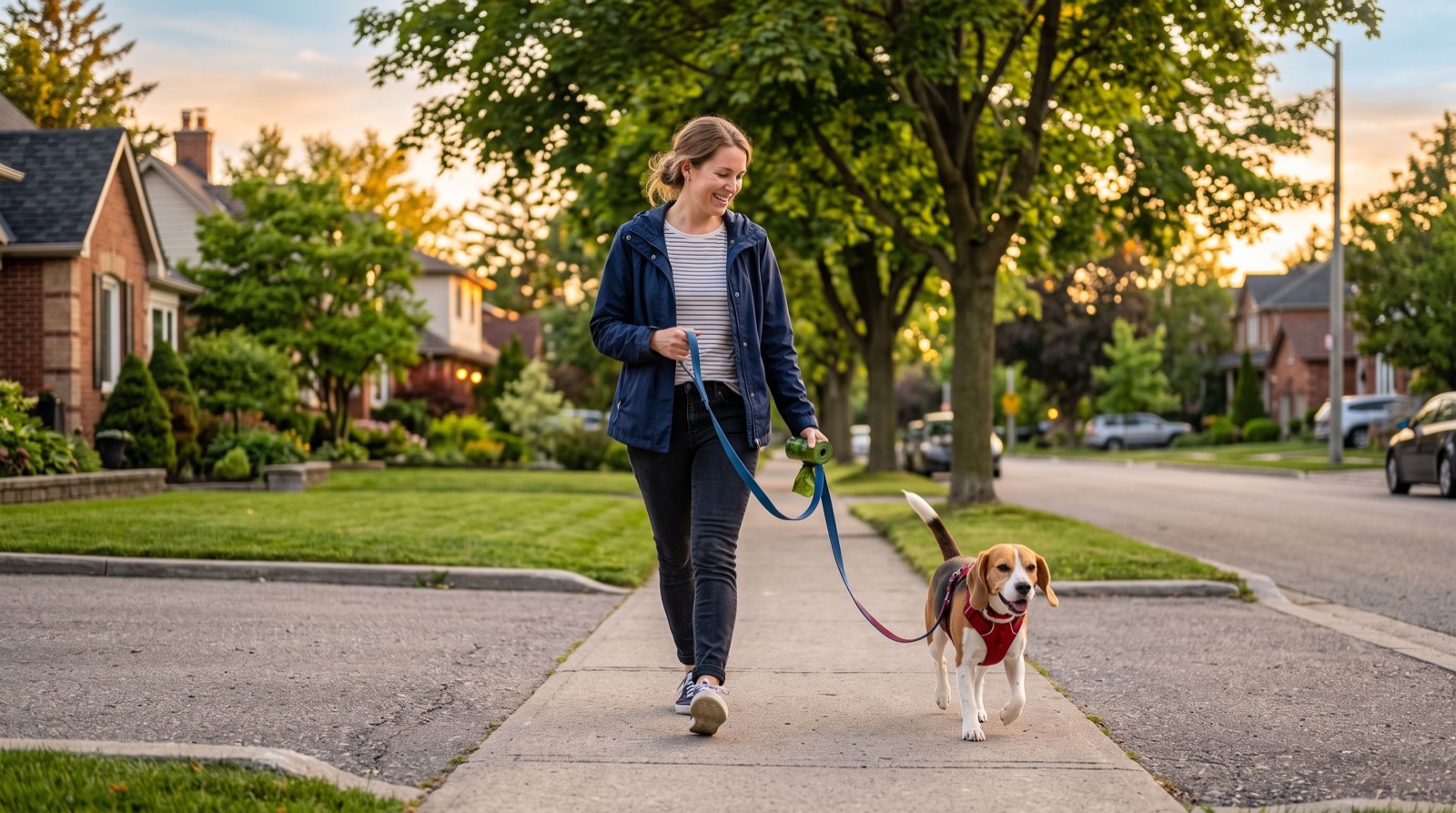
- Stock certified compostable bags by the door and in your walk pouch.
- Scoop waste promptly with a dedicated tool to avoid contact.
- Seal each bag fully to prevent leaks and odor.
- Use a designated bin, never a storm drain or compost pile meant for food.
- Consider a backyard digester for high-volume households.
One practical tip: buy bags in bulk to reduce packaging and cost. Owners who plan ahead, like the quality service providers who streamline operations, waste far less over a year.
Handling High-Volume Households
Multiple dogs generate more waste and more bags. A digester or dedicated bin reduces plastic use significantly. Weekly bulk disposal also keeps odor and pests under control.
The Bigger Picture: Community and Environmental Impact
Individual choices add up to community-wide results. When a whole neighborhood commits to responsible disposal, local waterways measurably improve. Your daily habit is part of a larger environmental story.
Uncollected waste from just a handful of homes can degrade a small creek. Multiply that across a city and the impact is enormous. Consistent, correct disposal protects the shared resources everyone depends on.
How Waste Reaches Our Water
Rainwater flows across yards and streets, picking up whatever it finds. Storm drains carry that runoff, untreated, straight into rivers and lakes. Dog waste left on the ground becomes part of that polluted stream.
This is why bagging matters even in your own backyard. Waste does not stay where it lands once the rain arrives. Prompt collection stops nutrients and pathogens before they travel.
Simple Habits That Scale
- Carry bags on every walk, without exception.
- Encourage neighbors to do the same by example.
- Support local bag stations and cleanup ordinances.
- Choose certified compostable bags to cut plastic use.
Small, repeatable habits create outsized results over a year. In 2026, communities that embrace responsible disposal enjoy cleaner parks and healthier water. Your part in that effort starts with a single bag.
Frequently Asked Questions
Can I compost dog waste at home?
Not in a standard garden compost, which rarely gets hot enough to kill parasites. Use a dedicated pet-waste digester instead, and keep the resulting material away from edible plants for safety.
Are compostable bags really better for the environment?
Certified compostable bags reduce reliance on virgin plastic and break down under the right conditions. Look for recognized certifications rather than vague “degradable” labels, which often just fragment into microplastics.
Is flushing dog waste a good idea?
Only where local rules allow it and only for waste without a bag. Never flush plastic or compostable bags. Check your municipality’s guidance before choosing this method.
Why can’t I just leave waste to decompose naturally?
Dog waste is too acidic to fertilize and carries pathogens that leach into soil and water for months. Prompt collection and proper disposal are the only reliable ways to prevent contamination.
Conclusion: Small Bags, Big Difference
Smart dog waste disposal protects your lawn, your neighborhood, and the waterways downstream. By choosing certified bags, scooping promptly, and picking the right method for your home, you turn a daily chore into real environmental action. Make the switch in 2026 and give your community cleaner water and healthier soil, one pickup at a time.
Start small if the full routine feels daunting. Swap your current bags for a certified compostable option on your next order, then add a dedicated scoop the following week. Layering good habits one at a time makes the change stick without overwhelming your budget or your schedule. Before long, responsible disposal simply becomes the way you do things, and the environmental payoff compounds season after season.